Exploring Diets: The Mediterranean Diet
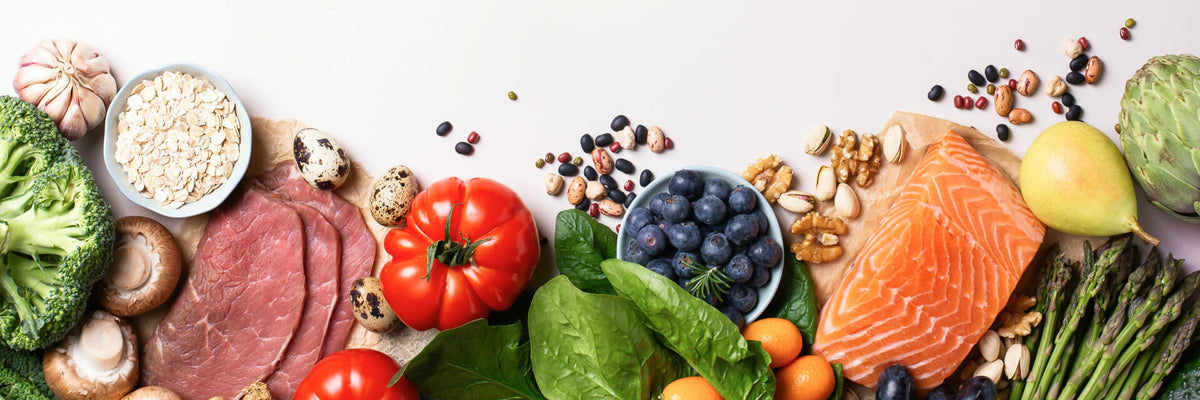
The Mediterranean diet draws on food traditions of Greece, southern Italy, Spain, Crete and other Mediterranean regions. It emphasizes vegetables, fruit, legumes, whole grains, olive oil and shared meals. This article explores what the pattern looks like and what research can tell us about it, without presenting it as a medical treatment.
The Mediterranean lifestyle is more than a list of foods. Traditionally, it places value on:
- Seasonal vegetables, fruit and minimally processed foods;
- Regular physical activity appropriate to personal ability;
- Rest, social connections and sharing meals with others;
- Water as the everyday drink.
So which foods make up a Mediterranean-style eating pattern?
The basics of Mediterranean eating
One way to visualize this pattern is as a food pyramid: the foods at the bottom feature most often, while those near the top are eaten less frequently. Portions and energy needs differ from person to person.
Vegetables, fruit and whole grains. A varied selection of vegetables and fruit is central. Whole-grain bread, pasta, rice and couscous can form the basis of meals. Whole grains offer fiber and can help create satisfying meals.

Olive oil, nuts and seeds. Extra-virgin olive oil is a familiar cooking and dressing fat in Mediterranean food traditions. It contains mostly monounsaturated fatty acids. Nuts and seeds provide additional unsaturated fats, as well as texture and flavor.
Herbs, spices and dairy foods. Herbs and spices add flavor without relying heavily on salt. Yogurt and cheese may be included in amounts that suit individual preferences, tolerances and nutritional needs.
Legumes, fish, eggs and poultry. Beans, lentils and other legumes can feature regularly. Fish and seafood, eggs and poultry are also commonly included. There is no single required number of servings for every person.
Foods eaten less frequently. Processed meat, red meat, sweets and heavily refined snacks are usually smaller or less frequent parts of the traditional pattern. No individual food defines the whole diet.

What about alcohol? Wine is associated with some Mediterranean food traditions, but alcohol is not needed to follow this eating pattern. Drinking alcohol carries health risks even at low levels; do not start drinking for presumed health benefits. Water and alcohol-free drinks are appropriate alternatives.
The Mediterranean diet does not prescribe a single calorie target. The mix and portion sizes can be adapted to age, activity, medical circumstances and personal needs.
What research can — and cannot — tell us
Mediterranean-style dietary patterns have been studied in connection with heart health and long-term wellbeing. Research generally reports associations with favorable cardiovascular outcomes, but the size of a benefit depends on study design, individual health and the broader lifestyle. A dietary pattern is not a treatment or a guarantee against disease.
- Cardiovascular health: Some studies associate this eating pattern with improved cardiovascular outcomes. Eating more vegetables, whole grains and unsaturated fats can fit with established healthy-diet guidance; none of these foods independently prevents heart disease.
- Weight management: A pattern rich in fiber-containing foods may help someone construct satisfying meals. Weight change still depends on overall intake, activity and other personal factors; this eating pattern does not cause weight loss automatically.
- Cognitive health: Observational research has explored possible links between Mediterranean eating and cognitive outcomes, but results are not conclusive. It would be misleading to promise prevention of Alzheimer's disease or dementia.
- Healthy ageing: A varied eating pattern can provide fiber, vitamins and minerals needed for normal body function. Claims that it stops ageing or treats inflammation are not supported by the material presented here.

To make this easier to picture, here is an example of how a day of Mediterranean-inspired meals could look. It is an illustration, not a prescribed diet or personalized medical plan.
- Cinnamon overnight oats, optionally with honey, fruit or nuts.
- A cup of Greek yogurt with berries or a handful of walnuts.
- Sweet-potato and bean salad with whole-grain toast.
- An apple, pear or a protein-rich snack such as a cup of edamame.
- Salmon with a creamy tomato sauce, or aubergine stuffed with couscous as a vegetarian option.
- Breakfast
- First snack
- Lunch
- Second snack
- Dinner