Nutrition for Ice Hockey Players
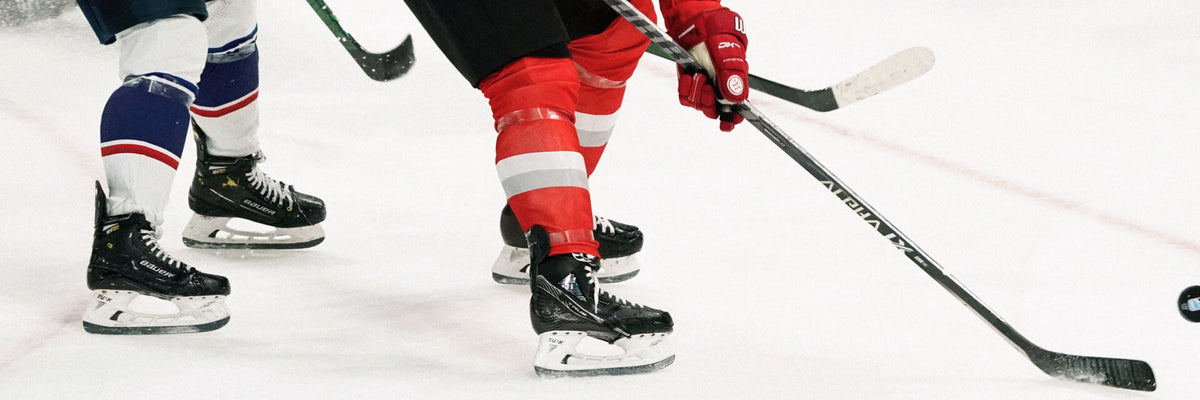
Ice hockey involves rapid changes in speed and direction and, in some formats, physical contact. Playing time, shift length and recovery between shifts vary by position, level and match situation. This guide discusses general nutrition considerations for adult players; younger athletes need age-appropriate advice.
Ice hockey players need enough food to fuel training and matches, alongside an individual hydration plan. Understanding the basics of nutrition is more useful than assuming that supplements automatically provide a competitive advantage.
What should you consider when planning food and fluids around the sport?


Step 1. Protein
Protein needs depend on training and individual circumstances. Sports-nutrition guidance commonly uses about 1.2–2.0 g per kilogram of body weight daily for athletes. The original 0.8–1 g/kg figure should not be treated as sufficient for every hockey player, regardless of training. A qualified sports dietitian can help individualise the amount.
Spread protein-containing meals across the day. Muscle proteins are continually broken down and rebuilt, and the response to training continues beyond the immediate post-exercise period. There is no single short window in which all protein must be consumed. Total intake, adequate energy and consistent meals are important.
Foods such as chicken, fish, tofu and legumes can help meet protein needs. If a supplement is useful, consider a complete or complementary protein source providing all essential amino acids. Choosing a product solely because it advertises extra leucine is not necessary.
Maxler protein powders are among the products you can compare for protein content, ingredients, allergens and suitability. A powder is optional when ordinary meals already meet your needs.


Step 2. Carbohydrates
Carbohydrate requirements should match the training load. Fixed instructions of 0.5–1 g/kg on rest days or 2 g/kg on training days can underfuel many players and should not be used as a general hockey plan. A sports dietitian can adjust intake for the length and intensity of training, match schedules and total energy needs rather than applying a universal 4 g/kg ceiling.
Carbohydrate is an important fuel for repeated high-intensity activity. It is digested to sugars that can be used for energy, and some is stored as glycogen in muscles and the liver. Muscle glycogen contributes to the fuel used during exercise.
Include carbohydrate foods such as oats, rice, pasta, bread, potatoes, fruit and legumes according to your needs and tolerance. Glycaemic index alone does not determine whether a food is suitable; timing, portion size and the whole meal matter.
Make sure you replenish carbohydrates during long training sessions and consume some carbohydrates after training to recover between sessions and replenish glycogen stores.
Step 3. Fats
Dietary fat supplies energy and essential fatty acids and helps absorb fat-soluble vitamins. There is no need to follow a rigid 15–25% training-day and 25–40% rest-day split. Choose an overall intake that supports your energy needs and leaves enough room for protein and carbohydrate.
Adequate food, including dietary fat, supports normal body functions. Eating extra fat should not be promoted as a reliable way to raise testosterone or build muscle.
Prefer a variety of unsaturated fat sources such as olive oil, nuts, seeds and oily fish, while limiting saturated fat rather than aiming for equal amounts of every fat type. Foods contain mixtures of fats, so their origins alone do not describe the full composition.

Step 4. Stay hydrated
Plan fluids around your own sweat losses, playing conditions and opportunities to drink. A fixed 180–360 mL every 15–20 minutes is not appropriate for everyone. Both dehydration and drinking more than you lose can cause problems.
Adequate fluids help you manage exercise demands, including heat produced while playing. During long or demanding sessions, a carbohydrate-containing drink may help supply fuel as well as fluid, if it fits your plan and is tolerated.
A sports professional can help estimate sweat losses using pre- and post-session body mass, fluid intake and any urine passed. Do not aim to gain body mass by overdrinking. The calculation “weight lost × 16 × 1.5 = millilitres” mixes units and should not be used; recovery fluids depend on measured losses, food and the time available before the next session.
Sweat contains water and electrolytes, especially sodium. Sweat losses do not by themselves establish a need for a multivitamin.
Maxler Max Motion is a drink product to compare with your fluid and fuel needs. Follow the current label’s mixing instructions; concentration and serving size affect the resulting drink.

Food on match days
During competitions, you need to pay special attention to hydration and proper nutrition.
A familiar carbohydrate-containing meal about 1–3 hours before play can suit some players, while a larger meal may need longer to digest. Include a suitable amount of protein and adjust fat and fibre to your tolerance. White rice and white bread are not automatically low-glycaemic-index foods. Do not simply double carbohydrate without considering the match demands and your individual plan.
If a full meal is not practical, a small familiar snack or drink closer to play may be useful. A shake 20–45 minutes before a match is only one possible option, and tolerance varies. Caffeine is not a mandatory next step after eating; trial any strategy safely during training with qualified guidance.
After play, a meal or snack with carbohydrate and protein can support replenishment and tissue repair. Timing is more pressing when another demanding session is close; otherwise, regular meals can meet recovery needs without a compulsory immediate shake.
Considering sports supplements
Supplements are optional additions to an appropriate training and nutrition plan. Their usefulness varies, and competitive athletes should consider anti-doping contamination risks as well as ingredients, dose and safety. Qualified sports-nutrition advice is useful before starting one.
Ingredients often discussed in sport include the following. Evidence and suitability differ between them:
- Caffeine has been studied for some exercise outcomes, but 3–6 mg/kg is a research range, not the correct dose for every player. Higher amounts can cause palpitations, anxiety or sleep disruption. Check total caffeine from all sources when considering Maxler Guarana 2000 and verify its current label rather than assuming a 200 mg serving. EFSA’s general safety assessment for healthy adults does not mean that this amount suits children, pregnant people or someone with a relevant health condition.
- Creatine is relevant to repeated short, high-intensity exercise in adults; the authorised EU performance claim requires 3 g of creatine daily. Maxler 100% Creatine Monohydrate is a product to compare by the current label. Three grams of creatine monohydrate and three grams of creatine are not the same quantity.
- Beta-alanine is a precursor to carnosine, which helps buffer acidity in muscle. Research benefits depend on the activity and are not established for every hockey performance measure. If considering Maxler Beta-Alanine Powder, follow its current instructions and seek advice about suitability. Tingling can occur; a stated 5 g portion should not be treated as a universal recommendation.


Players also need adequate vitamins and minerals. Calcium and vitamin D have roles in bone health; iron is involved in oxygen transport; several B vitamins contribute to normal energy metabolism. A varied diet is the starting point, and suspected deficiencies should be assessed rather than treated with indiscriminate supplementation.
Maxler Balance for Men and Balance for Women are multinutrient products to compare by their current labels. Do not assume that one product supplies every nutrient an active player needs or that more than the recommended amount is beneficial.
Omega-3 fats can be obtained through food and, where appropriate, supplements. They should not be promoted as a guaranteed way to accelerate muscle growth. For products such as Maxler Omega-3 Gold, check the current EPA and DHA amounts rather than assuming a fixed 300 mg capsule content.