How Fat Burners Work: The Latest Research Findings

Weight-loss supplements are often marketed as an easy way to change body weight. Before choosing one, it helps to distinguish advertising claims from evidence about benefits and risks. This article examines products called “fat burners” and explains why they should not be treated as a shortcut to lasting weight loss.
What do fat burners actually do? Are there natural fat burners? And are fat burners suitable for long-term use? You will find answers to these and other questions in this post.
What are fat burners?
“Fat burner” is a marketing term used for products promoted for weight loss. It does not describe a single proven mechanism or guarantee that a supplement reduces body fat. Ingredients and evidence vary, and some products carry significant risks.

When to take fat burners
Before asking whether to take a product before or after meals, consider whether it is appropriate at all. Timing cannot make an ineffective or unsafe supplement suitable. A pharmacist or clinician can review the specific ingredients and your circumstances.
Body weight is influenced by energy intake and expenditure, biology, health, medicines and the environment. Sustainable changes can be difficult; needing support is not a failure of willpower. A tailored plan can address food, activity, sleep and any medical needs.
A supplement should not be assumed to reduce body fat or body weight simply because it is labelled a fat burner. Look for evidence on the actual product and outcomes that matter over time.

The Effects of fat burners
Products may be marketed as increasing energy expenditure or altering fat use for energy. A short-term change in metabolism is not the same as sustained loss of body fat. Studies of one ingredient do not automatically support a multi-ingredient product.
Some products can pose serious health risks, including with short-term use or when combined with medicines or stimulants. The following sections explain why caution is needed.
Common fat burners
The ingredients below have different evidence and safety profiles. “Natural” and “plant-based” do not mean safe or effective. This overview is not a recommendation to take them.
Ephedra
Ephedra sinica, also called ma huang, contains stimulant compounds including ephedrine. It appeared in products marketed for weight loss, but serious safety concerns are central to its history.
Older studies examined energy expenditure, metabolic changes and brown-fat activity. These mechanisms do not justify using ephedra for weight loss or outweigh its risks.
Ephedra has been associated with serious cardiovascular and other adverse effects. Dietary supplements containing ephedrine alkaloids are banned in the United States. It should not be used as a weight-loss supplement.
Orlistat
Orlistat is a medicine, not a dietary supplement. It may be used for weight management in eligible adults alongside an appropriate eating plan. Suitability, adverse effects and interactions need review.
Orlistat reduces absorption of some dietary fat. Availability depends on the product and jurisdiction: some forms of this medicine are prescription-only, while others are available without prescription. Follow professional advice and the product information.
L-Carnitine
L-carnitine is an amino-acid-derived compound involved in transporting fatty acids for energy metabolism. Its normal function does not establish that taking more reliably reduces body fat.
A review of controlled trials reported modest average weight-related effects in some populations. Differences in participants and study design limit how confidently these findings can be applied to an individual or product.
Research on duration of supplementation and response does not establish L-carnitine as a dependable long-term weight-management solution.
Caffeine
Coffee contains caffeine, a stimulant. Drinking coffee does not mean you are following an effective weight-loss treatment.
Research has examined caffeine and body composition and dose-related effects. This does not mean more coffee produces more fat loss. Increasing caffeine raises the risk of adverse effects and can disrupt sleep.
Caffeine affects cell signalling and can alter short-term fuel use. These effects should not be described as proof that caffeine literally burns away body fat.
Studies during exercise have examined fat use as a fuel. Greater fat oxidation in a session does not, by itself, establish faster long-term weight loss.
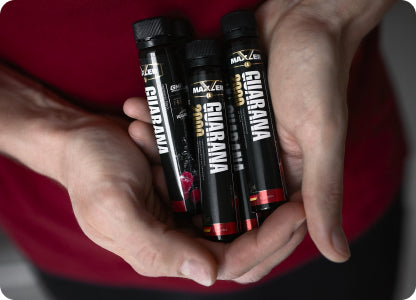
Products such as Maxler Guarana 2000 contain a source of caffeine. They should not be presented as a proven fat-loss solution. Check the current label, count caffeine from all sources and avoid combining stimulants.

Green tea
Green tea can be enjoyed as a drink, but it should not be described as a reliably effective fat burner.
Green tea contains polyphenols called catechins. Studies have explored fat oxidation, noradrenaline signalling, fat metabolism, glucose regulation, leptin and interactions with caffeine. These experimental findings do not establish a clinically meaningful or lasting weight-loss benefit from every tea or extract.
Concentrated green tea extracts differ from brewed tea and have been associated with liver injury. Do not choose a high-concentration extract simply to pursue a stronger weight-loss effect. Ask a healthcare professional about suitability and interactions.
Protein powder
Protein powder is a food supplement, not a fat burner. It can be convenient when ordinary food does not meet protein needs, but adding it does not automatically cause weight loss.
Adequate protein supports muscle maintenance. Studies of higher-protein eating patterns do not mean calories cease to matter. Portion size, overall intake, activity and personal circumstances still influence weight change.
Protein can contribute to satiety, and resistance training is relevant to muscle and energy expenditure. Responses vary; neither protein powder nor training guarantees a particular change in body shape.
If you are considering a protein supplement, assess your diet and needs first:
- Try to meet the majority of your protein needs through your diet. Make sure you choose high-quality protein sources.
- A protein powder may be convenient if food alone is insufficient; choose an amount that fits your daily needs.
- For a product such as Maxler Ultra Whey, check current ingredients, allergen information and directions. Do not assume a weight-loss benefit from the brand or product category.

Are Fat Burner Tablets and natural fat burners safe?
Safety depends on ingredients, amounts, health conditions, medicines and product quality. A natural label does not establish safety. Speak with a pharmacist or clinician before use, particularly if you are pregnant, breastfeeding or have a medical condition.
What is the best fat burner?
There is no universally best fat burner. A sustainable plan may include food, appropriate activity, sleep and professional support. Practical starting points include:
- If weight loss is appropriate, work toward a sustainable eating plan tailored to your needs.
- Prefer foods that keep you full for a long time, such as whole grains and fiber-rich vegetables.
- Include suitable protein foods across the day, with amounts matched to your needs.
- Choose regular activity that is appropriate for your health and ability; build up gradually where suitable.
- Go to bed at the same time every day and make sure you get enough sleep.
- Set reminders, share your plan with someone who can hold you accountable if necessary, and integrate new habits into existing ones. This should help you stay consistent.
Following these habits does not create a need to add a fat burner. A supplement should only be considered after its likely benefits and risks have been assessed.
Caffeine should not be described as guaranteeing effective or harmless long-term weight loss. Consider sleep, adverse effects and total intake before using any stimulant product.
A healthcare professional can help distinguish a dietary supplement from a licensed medicine and discuss whether any treatment is appropriate. Do not substitute supplements for evidence-based care.
For additional tips and tricks on your quest for a healthier body, we've compiled a series of helpful articles. They cover important topics, including The importance of getting enough sleep to lose weight.

For meal ideas, explore our high-protein recipes. Adapt portions and ingredients to your own dietary needs.
Claims about fat burners often go beyond the evidence. Some ingredients have been studied, but benefits may be small or uncertain, and risks can be substantial. Focus on sustainable habits and qualified support rather than expecting a supplement to deliver lasting weight loss.